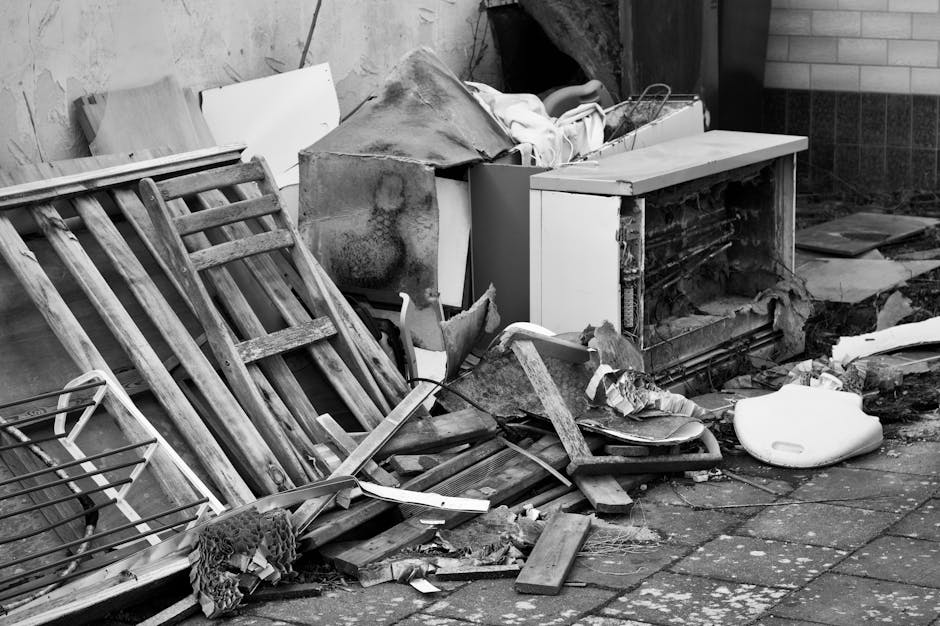
Temple Gardens estate bulky rubbish removal advice
If you live or manage a property around Temple Gardens estate, bulky rubbish removal can get awkward fast. One sofa in a hallway, an old fridge in a service area, or a stack of broken flat-pack furniture in a bin store can turn a tidy space into a daily nuisance. And let's be honest, bulky waste has a habit of looking twice as big when you're the one trying to move it.
This guide gives practical Temple Gardens estate bulky rubbish removal advice for residents, landlords, tenants, and anyone who needs to clear large items without creating mess, stress, or avoidable problems. You'll find a clear process, common mistakes to avoid, sensible compliance pointers, and a realistic way to decide whether a small load or a fuller clearance makes more sense. If you need broader support, it can also help to understand related services such as general waste removal, furniture clearance, or house clearance.
Below, I'll keep it plain-English and practical. No fluff. Just the sort of advice that helps you get the job done properly the first time.
Table of Contents
- Why Temple Gardens estate bulky rubbish removal advice Matters
- How Temple Gardens estate bulky rubbish removal advice Works
- Key Benefits and Practical Advantages
- Who This Is For and When It Makes Sense
- Step-by-Step Guidance
- Expert Tips for Better Results
- Common Mistakes to Avoid
- Tools, Resources and Recommendations
- Law, Compliance, Standards, or Best Practice
- Options, Methods, or Comparison Table
- Case Study or Real-World Example
- Practical Checklist
- Conclusion
- Frequently Asked Questions
Why Temple Gardens estate bulky rubbish removal advice Matters
Bulky rubbish is different from everyday household waste. It takes up space, is harder to carry, and often needs a better plan than a quick trip to the bins. On an estate like Temple Gardens, that matters even more because shared access, limited parking, and communal areas can make a simple clear-out feel like a small operation.
There's also the neighbour factor. A bulky item left in a corridor, stairwell, or loading area can get in the way of residents, cleaners, contractors, and emergency access. Even if the item is "only there for a bit", a bit can easily become a day or two. In practice, that's usually where problems start.
Good advice helps you avoid three common headaches:
- Access issues - lifting large items through tight entrances or shared walkways.
- Sorting mistakes - mixing recyclable furniture, electricals, and restricted waste.
- Compliance risks - leaving items with the wrong person, or using an unlicensed carrier.
It also saves time. A small one-off sofa removal is one thing. A flat clearance with broken wardrobes, a mattress, and a fridge is another entirely. The better your plan, the fewer trips, calls, and last-minute "actually, can we take this too?" moments you'll have later.
Practical takeaway: bulky rubbish removal works best when you treat it as a short project, not a spontaneous lift-and-hope exercise.
How Temple Gardens estate bulky rubbish removal advice Works
At a basic level, bulky rubbish removal is about identifying the items, choosing the right disposal route, and making the collection day easy for everyone involved. That sounds simple. It often isn't, but it can be if you prepare properly.
The process usually looks like this:
- Identify the bulky items - furniture, appliances, mattresses, office chairs, shelving, garden waste, or mixed household clutter.
- Separate what needs special handling - electrical items, fridges, damaged glass, confidential documents, or anything classed as hazardous waste.
- Measure access - stairs, lifts, narrow halls, doorway widths, parking distance, and whether a vehicle can stop nearby.
- Choose the removal method - estate collection arrangements, a skip, a man-and-van style clearance, or a full property clearance.
- Book a suitable slot - ideally when residents are least likely to be disrupted.
- Prepare the items - unscrew loose parts, remove drawers if needed, bag small debris, and make the load safe to move.
- Confirm responsible disposal - ideally through a provider that prioritises recycling and can explain what happens to each waste stream.
For a lot of people, the sticking point is not the lifting. It's the decision-making. Do you need a simple pickup or a proper clearance? If you've got mixed items, it may be worth looking at home clearance support or a more targeted service like mattress and sofa disposal or fridge and appliance removal.
A good provider will also ask the right questions up front: what items, how many floors, any lift access, and whether there are parking constraints. That is usually a sign they know what they are doing. A vague "we'll just sort it on the day" can work sometimes, but it can also turn into a long afternoon and a sigh or two.
Key Benefits and Practical Advantages
The obvious benefit is getting rid of unwanted items. The less obvious benefits are the ones people appreciate later, when the flat is quieter, the hallway is clear, and nobody is tripping over an old cabinet anymore.
- Safer shared spaces - fewer trip hazards and less clutter in communal areas.
- Less disruption - one planned removal is easier than several ad hoc trips.
- Better presentation - useful for landlords, agents, and anyone preparing a property for handover or sale.
- More efficient sorting - reusable and recyclable items can be separated more cleanly.
- Reduced stress - no guessing how to move a bulky wardrobe down a staircase at 7pm.
There's also a financial logic to it. A well-planned removal is often more efficient than multiple smaller attempts, especially when items are awkward, heavy, or spread around the property. It can also help avoid the hidden costs of delays: missed move-out deadlines, extra storage, or additional labour for carrying pieces back and forth.
If the job involves multiple item types, a broader service such as furniture disposal or even loft clearance may be the cleaner solution. Not every load is a neat one-category job. Most real-life jobs are a bit messy. That's normal.
Expert summary: the best bulky rubbish removal is not the fastest pickup; it is the one that is planned around access, item type, and disposal route so nothing gets left behind or handled badly.
Who This Is For and When It Makes Sense
Temple Gardens estate bulky rubbish removal advice is useful for a lot of people, not just those doing a full clear-out. In our experience, the need usually falls into one of a few patterns.
- Residents clearing out old sofas, broken beds, unwanted wardrobes, or moving-day leftovers.
- Tenants preparing to leave a flat and needing to remove bulky items before checkout.
- Landlords and agents dealing with abandoned furniture, end-of-tenancy clutter, or post-checkout clean-ups.
- Property managers responsible for keeping shared spaces clear and safe.
- Homeowners tackling a garage, loft, or spare-room clear-out after years of "I'll deal with it later".
- Small businesses or home offices shifting desks, chairs, cabinets, and old equipment.
It makes sense when the load is too large for normal bins, too awkward for a private car, or too important to leave sitting around for days. It also makes sense when the job needs to happen quickly. A tight handover deadline changes the maths very quickly.
A small example: if you're replacing a sofa and a mattress on the same day, it often makes more sense to remove both together than to schedule two separate arrangements. Likewise, if a flat has a few items, but they're spread from the bedroom to the loft, it may be better to consider a fuller flat clearance rather than piecing it together item by item.
Truth be told, people often wait too long. The room fills up, the corridor narrows, and then the job becomes more stressful than it needed to be.
Step-by-Step Guidance
Here's a simple way to manage bulky rubbish removal without overcomplicating it.
- Walk through the space first. Identify everything that needs to go. Be honest about what counts as bulky. An old armchair? Yes. A stack of broken drawers? Yes. Two boxes of random cables? They might need different handling.
- Group items by type. Put furniture together, electricals together, and anything sharp or fragile aside. This makes the removal quicker and safer.
- Check for special items. Fridges, freezers, washing machines, mattresses, and sofas may need specific disposal handling. If you're unsure, ask before collection day.
- Clear the route. Remove small obstacles from halls and doorways. If the item needs to come through a lift or shared entry, make sure the route is practical and unobstructed.
- Protect surfaces. A blanket, dust sheet, or cardboard can help reduce scuffs on floors and walls. Nothing fancy. Just sensible.
- Confirm parking and timing. If a vehicle needs to stop close by, plan that early. Estate access can be the thing that slows everything down.
- Choose the right service level. For a few items, a targeted collection may be enough. For full-property clutter, a broader service like house clearance or furniture clearance may be more efficient.
- Ask what happens next. Good providers should explain whether items are reused, recycled, or sent for disposal.
If you are sorting out business premises as well, especially offices or mixed-use spaces, it may also be worth considering office clearance or business waste removal. Different load, different rules, different headaches. Sadly, waste likes to be complicated.
Expert Tips for Better Results
A few small habits make bulky rubbish removal much easier. These are the sort of details that save time on the day, which is when people are usually watching the clock and muttering about the lift being slow.
- Photograph the load before collection. It helps with quoting and avoids surprises.
- Take items apart where sensible. A bed frame or wardrobe may be easier to remove in sections.
- Keep screws and fittings together. Bag them and tape them to the relevant item if you want to reuse it later.
- Separate anything that might leak or smell. Old appliances, damp textiles, and garden waste should not be left mixed in with clean furniture.
- Label what is staying. On a busy clear-out, that one chair you planned to keep can vanish by accident. It happens more than people expect.
- Ask about recycling first. A thoughtful provider should be able to say how they handle reusable and recyclable materials through their recycling and sustainability approach.
Another useful tip: if you have one item that is awkwardly heavy, don't wait until the rest of the load is sorted. Deal with the hard piece early. It sets the tone. Also, it's usually the piece everyone pretends not to notice.
If there's confidential paper, office files, or personal documents in the mix, keep those separate and look at confidential shredding rather than putting them into a general pile.
Common Mistakes to Avoid
Most bulky rubbish issues come from the same handful of mistakes. Avoid these and you'll save yourself a lot of faff.
- Leaving items in communal areas too long. It creates obstruction and can annoy neighbours fast.
- Underestimating access. A sofa that looks fine in a room may be a nightmare at the stairwell bend.
- Mixing restricted items with normal waste. Fridges, certain electricals, and hazardous materials need more care.
- Forgetting weight and handling risks. A heavy item can be harder to control than it looks.
- Choosing the wrong disposal method. A skip can be useful, but it is not always the most practical answer. If you want to understand typical skip loading limits, what can go in a skip is a helpful reference point.
- Not confirming the provider's handling process. You want to know the items are dealt with properly, not just taken away and forgotten about.
One more thing: don't rely on "we'll sort it later" when the item is already in the way. Later has a funny way of becoming next week.
Tools, Resources and Recommendations
You do not need a van full of specialist gear, but a few simple tools can make the job smoother. The goal is to reduce strain and protect the property.
| Tool or item | Why it helps | Best for |
|---|---|---|
| Work gloves | Improves grip and helps protect hands | General lifting and carrying |
| Dust sheets or blankets | Reduces the risk of scuffs on floors and walls | Stairwells, doorways, and lifts |
| Tape and bags | Keeps small fixings and loose parts together | Disassembled furniture |
| Trolley or sack barrow | Reduces manual carrying for heavier items | Short-distance movement |
| Measuring tape | Confirms whether the item fits through doors or lifts | Large furniture, appliances, and awkward loads |
For most residents, the best resource is not a special tool, but a clear service page and a straightforward quote process. If you need to compare options and understand what is included, pricing and quotes is a sensible place to start. And if you prefer a simple online booking route, book online can be the quickest next step.
If the job is inside a flat or apartment, the details matter even more. A small lift, a tight landing, or a busy shared entrance can change the whole plan. That is where careful coordination beats brute force every time.
Law, Compliance, Standards, or Best Practice
Bulky rubbish removal in the UK should be handled responsibly. You do not need to become an expert in waste law, but it is worth knowing the basics so you can ask better questions and avoid problems.
As a general rule, you should use a waste carrier that can lawfully collect and transport the material, and you should avoid handing waste to someone who cannot explain what happens next. That matters because householders and businesses alike can be pulled into avoidable trouble if waste is dumped improperly after collection.
For Temple Gardens estate bulky rubbish removal advice, best practice usually means:
- checking that the provider handles waste responsibly;
- keeping hazardous items separate;
- not blocking communal areas or emergency access;
- providing clear instructions about access and item type;
- making sure any special waste is handled through the correct route.
If you are dealing with items such as chemicals, paint, sharps, or anything that could be considered hazardous, treat that separately. The safest move is to ask about hazardous waste disposal rather than assuming it can go with the rest. Likewise, for appliances, there can be practical and handling differences, which is why fridge and appliance removal is worth considering on its own terms.
From a trust perspective, you should also look for clear policies around safety and responsibility. It is reasonable to want reassurance about health and safety, insurance and safety, and general service conditions. That is not being fussy. That is being sensible.
Options, Methods, or Comparison Table
There is more than one way to remove bulky rubbish, and the right choice depends on quantity, access, urgency, and item type.
| Method | Best for | Pros | Watch-outs |
|---|---|---|---|
| Single-item collection | One sofa, mattress, appliance, or similar bulky piece | Simple, targeted, usually quick | Less efficient if you have more items waiting |
| Room or flat clearance | Multiple furniture items or mixed household clutter | Covers more in one visit, often better value for bigger jobs | Needs clearer planning and access information |
| Skip hire | Bulk waste with a fairly predictable mix and enough space on site | Useful for ongoing loading over time | Space, permit, and loading restrictions can be an issue |
| Specialist item removal | Fridges, mattresses, appliances, or restricted waste | Better handling for specific materials | May need separate booking or pricing |
For many estate-based jobs, the decision comes down to access and convenience. If items need to be carried from a flat down several floors, a direct collection may be easier than loading a skip yourself. If the job includes builders' debris as well, then builders waste clearance may be a more suitable route than a general pickup.
There is no universal best method. The trick is matching the method to the mess. Sounds obvious, but it is often where people go wrong.
Case Study or Real-World Example
A fairly typical scenario: a resident at Temple Gardens estate has a worn-out sofa, a broken coffee table, a mattress, and a small pile of flat-pack packaging left after a move. Nothing dangerous, but awkward enough that it will not fit into normal bins and too bulky to shift in a standard car.
At first glance, it seems like four separate problems. In practice, it is one organised removal job.
The best approach would usually be:
- take a quick inventory of all items;
- check whether any pieces can be disassembled safely;
- confirm the route through the flat and shared areas;
- separate the packaging from the heavier furniture;
- book a removal slot with enough time for access and carrying;
- ensure the mattress and sofa are handled appropriately.
That kind of planning turns a stressful half-day into a manageable visit. The flat feels bigger straight away. The corridor becomes usable again. And, honestly, the sense of relief is usually bigger than people expect.
If the same resident also had a cupboard of old paperwork, a broken lamp, and some office items from remote working, the job could easily tip into a more complete property clearance. That is where services like furniture disposal and office clearance can help keep things tidy and efficient.
Practical Checklist
Use this before collection day. It keeps the job neat and avoids the classic "oh, I forgot about that" moment.
- Identify every bulky item that needs removing.
- Separate furniture, electricals, hazardous items, and confidential materials.
- Measure doorways, stairs, and lift access if needed.
- Confirm whether any items can be dismantled safely.
- Clear the route from the item to the exit.
- Protect floors, walls, and corners where possible.
- Make sure parking or loading space is available.
- Check whether the job is a single-item pickup or a fuller clearance.
- Ask how reusable and recyclable items will be handled.
- Keep a note of anything that must not be removed.
If you are managing several spaces at once, it may help to think in zones: bedroom, living room, storage, and shared areas. That sounds a bit methodical, maybe even dull, but it works.
Conclusion
Temple Gardens estate bulky rubbish removal advice comes down to one thing: plan the load properly and the rest gets much easier. When you know what is being removed, how it will be carried, and where it should go, you reduce disruption and avoid the common mistakes that make simple jobs feel messy.
Whether you are clearing one item or dealing with a full flat, the best results usually come from a practical checklist, a clear route, and a provider who understands both access and responsible disposal. That combination saves time, protects the property, and keeps the whole process calmer than most people expect.
If you want help comparing options, understanding item types, or arranging a straightforward collection, it is worth exploring the relevant service pages and choosing the route that fits the job rather than forcing the job to fit the route.
Get a free quote today and see how much you can save.
A tidy space has a funny way of making everything feel lighter. Sometimes that is the real win.
Frequently Asked Questions
What counts as bulky rubbish on Temple Gardens estate?
Bulky rubbish usually means items that are too large, heavy, or awkward for normal household bins. Common examples include sofas, beds, wardrobes, mattresses, tables, appliances, and broken furniture.
Can I leave bulky items in a communal hallway until collection day?
It is better not to. Shared areas need to stay clear for residents, cleaners, and emergency access. If you must stage items briefly, keep them tidy, safe, and as close to the collection time as possible.
Is it better to book one large clearance or several small removals?
In many cases, one organised clearance is easier and more efficient. If you have several bulky items, a single visit often saves time and reduces disruption. A smaller one-off collection can still make sense for just one or two pieces.
What should I do with a fridge, freezer, or washing machine?
Appliances usually need careful handling and may be better dealt with separately. It is sensible to ask about fridge and appliance removal so the item is treated correctly.
Can mattresses and sofas be removed with general rubbish?
Often yes, but they may be handled as specific item types depending on the collection method and disposal route. If those items are part of your load, it helps to check mattress and sofa disposal before booking.
How do I know if a waste collector is suitable?
Look for clear communication about access, item types, disposal methods, and safety. It also helps if the provider can explain their approach to insurance and safety and general handling standards.
Do I need to separate recyclable items before collection?
Yes, if possible. Separating furniture, metal, cardboard, electricals, and textiles can make the process smoother and may support better recycling outcomes. Even a small amount of sorting makes a difference.
What if I have confidential papers mixed in with the clutter?
Keep those separate. Confidential paperwork should not be thrown in with general bulky waste. A dedicated route such as confidential shredding is the safer choice.
Is a skip always the best option?
Not always. A skip can be useful for some projects, but space, loading limits, and access can make it impractical on an estate. If you are unsure, comparing it with other methods is sensible, and what can go in a skip may help with that decision.
What if my bulky rubbish includes damaged items or sharp edges?
Use extra care and avoid handling sharp or unstable pieces without protection. Bag loose fragments, tape down sharp edges where appropriate, and tell the remover exactly what is there so nothing gets missed.
Can I combine household and business waste in one collection?
Sometimes mixed loads can be handled, but it depends on the material and the service type. If business items are involved, a service like business waste removal may be more appropriate than a domestic-only collection.
How far in advance should I arrange bulky rubbish removal?
As soon as you know the items need to go, ideally. The more notice you have, the easier it is to fit around access, lift use, and parking. If you are working to a move-out date, give yourself a small buffer. It helps more than people think.
What if I am clearing a whole flat rather than just a few items?
For larger jobs, a broader service is often the better fit. You may want to look at flat clearance, house clearance, or home clearance depending on the size and layout of the property.
Where can I learn more before booking?
It helps to review service details, pricing guidance, and sustainability information before you commit. A few minutes spent reading through the available options often makes the decision much easier and less rushed.